About Renaissance Dyeing

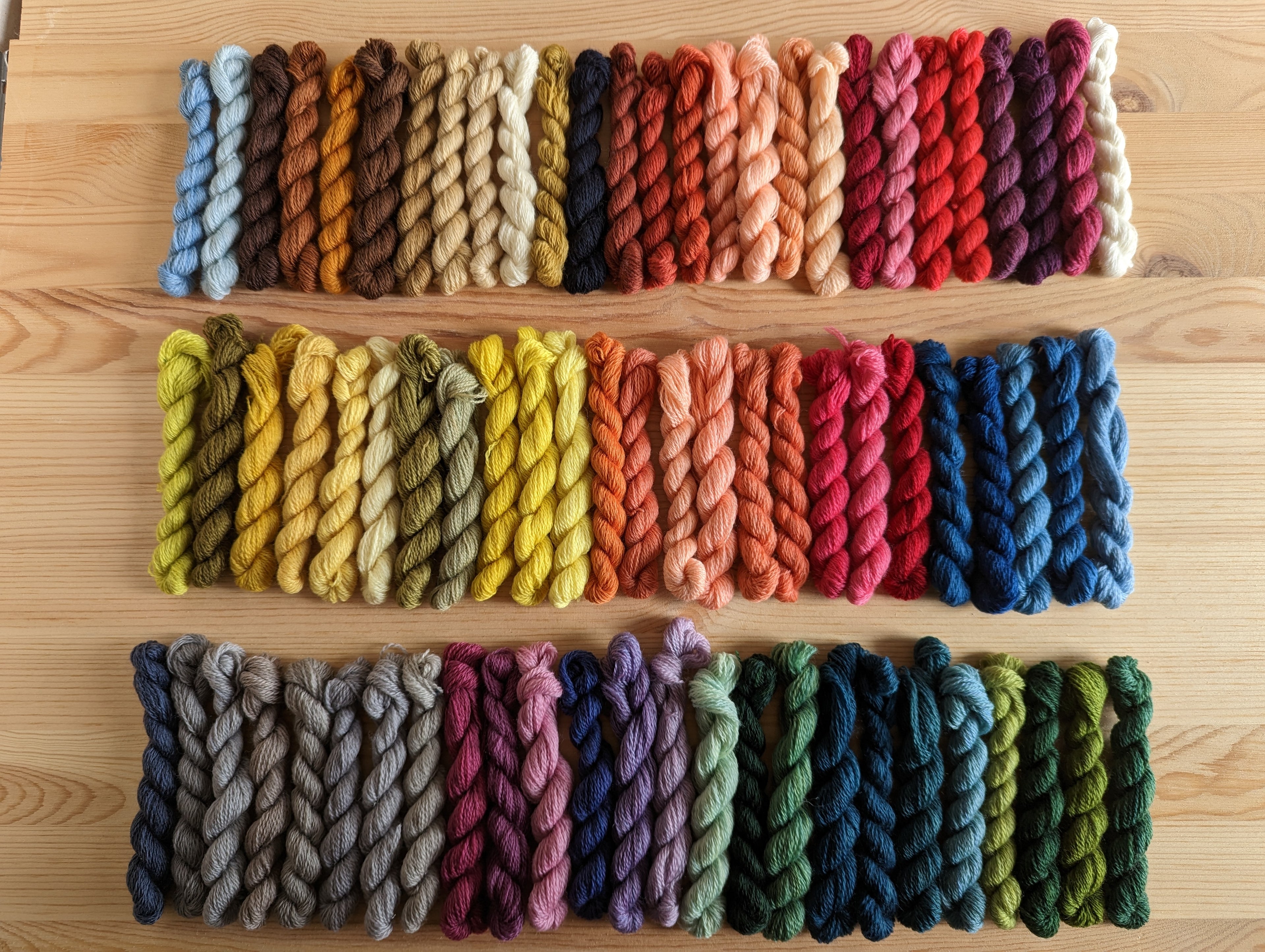
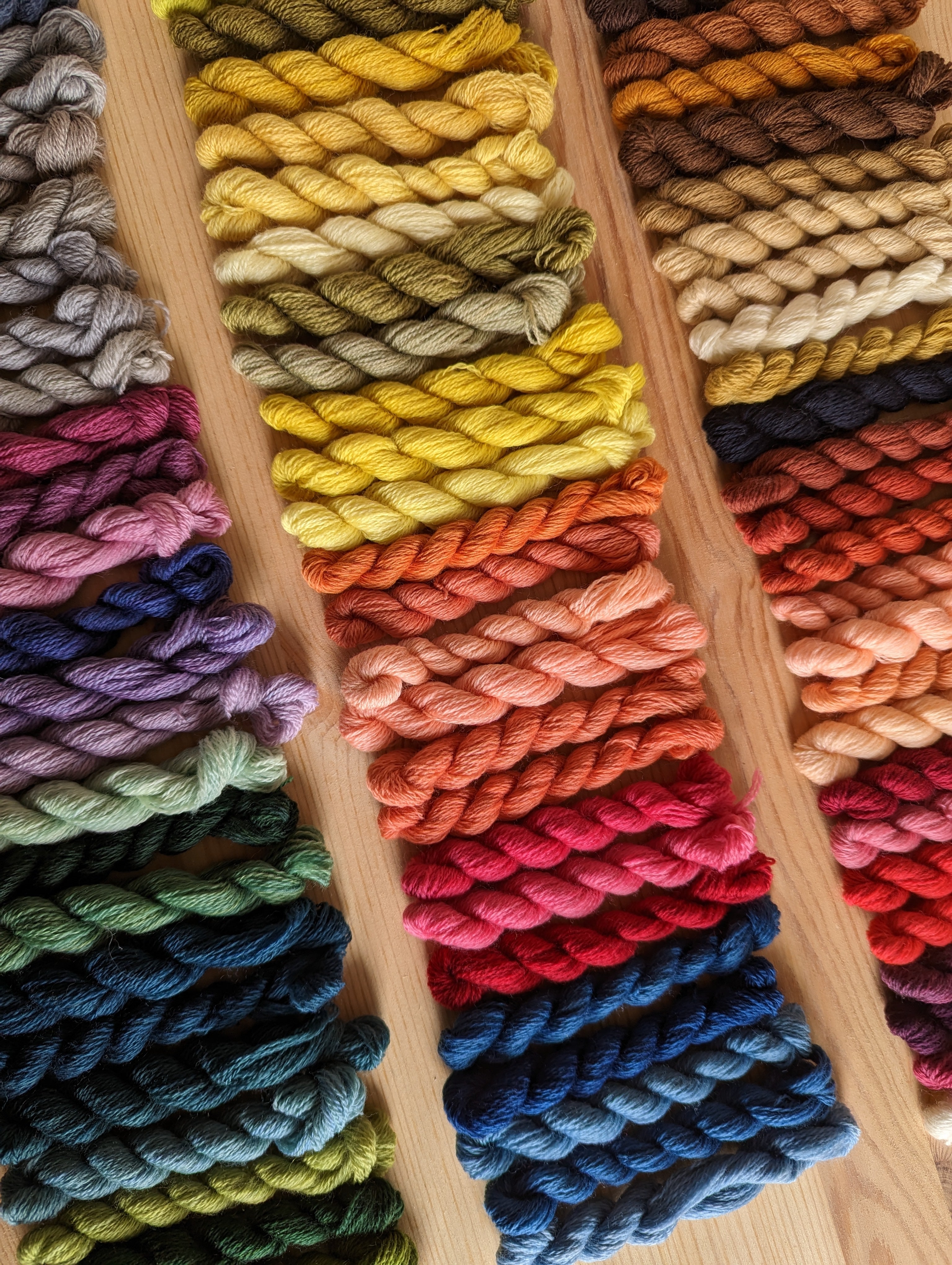
Renaissance Dyeing is a small family concern dedicated to naturally dyed embroidery thread. Our main product is a range of over 110 naturally dyed shades of fine crewel wool. Since 2001 this unique venture has been run by Andie Luijk, who decided to sell the yarn via specialist traders whom you will find on our outlets page and direct through our online embroidery supply store. The dye-house and winding machinery are now housed in a converted barn in an ancient hilltop village in the foothills of the Pyrénées in France. In this traditional textile area amid wild dye plants and newly cultivated woad fields, Andie and her Dutch husband Adriaan have settled, enabling Andie to indulge her life long passion for hand dyed embroidery thread, dye plants, natural vegetable dyeing and colour!

Renaissance Dyeing was established by Margaret and David Redpath who previously distributed these naturally dyed embroidery yarns worldwide through Access Commodities as Crewel Embroidery Wool and through Madeira Threads as Broder Wul. Margaret and David spent three decades researching and developing this naturally dyed range, using among their resources recipes from 1870 found at their mill. They consulted with dyeing experts world wide. They further developed their dyeing skills on a number of prestigious dyeing commissions. You can find details of these under natural dyeing projects.

Our Crewel Embroidery Thread

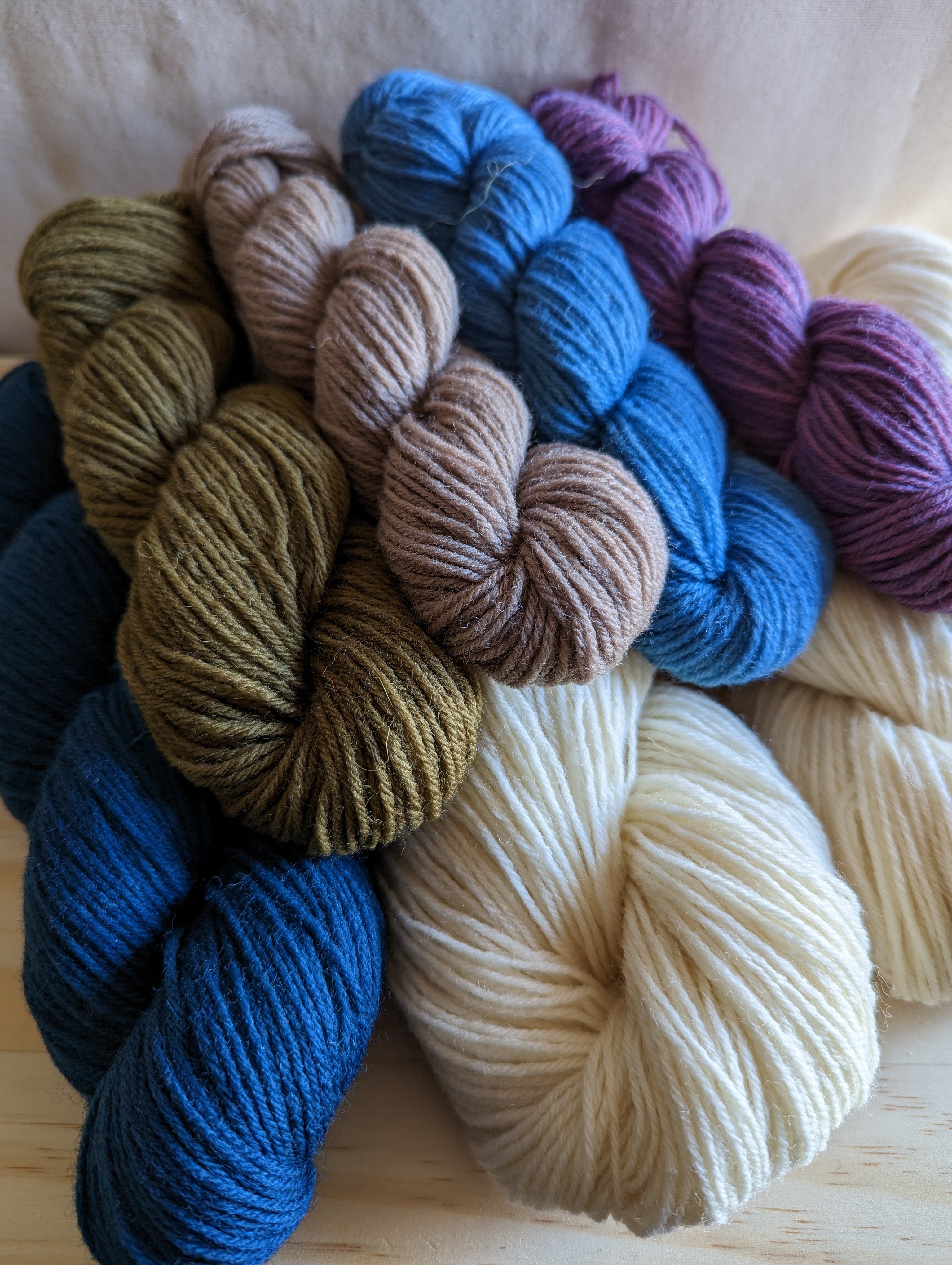
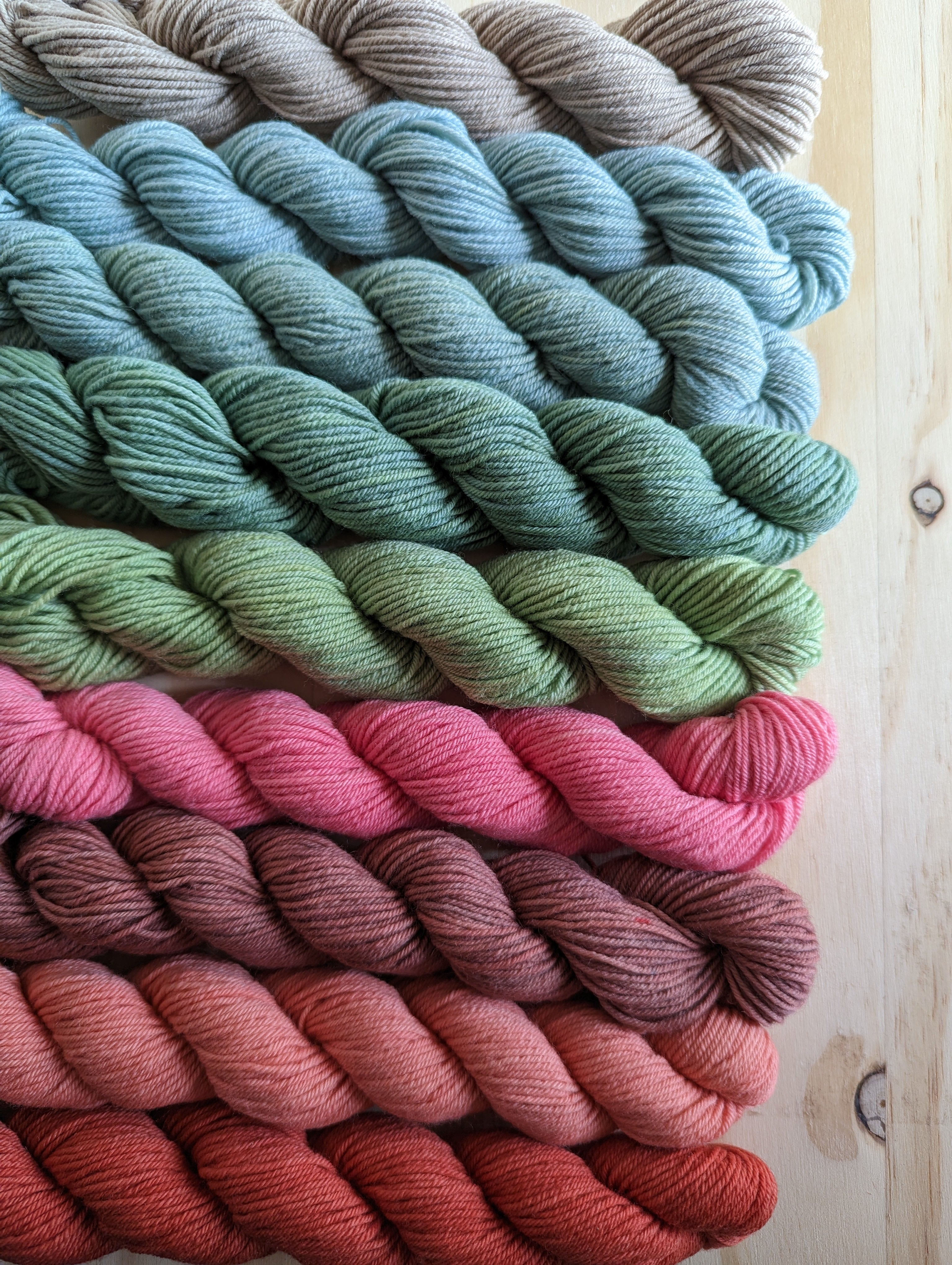
Our celebrated crewel embroidery thread is especially spun for us in Yorkshire, England. It is a 2/24 worsted 100% lamb's wool ply with wonderful handle and an astonishing resistance to thinning and fluffing. The yarn is hand dyed and all colours are carefully checked before winding into skeins of 25m or hanks of 250m. The hand dyed wool is suitable for all types of embroidery and creative textile work gallery link.

Those working with canvas will find 3 or 4 strands in a 14s effective. You will find that whatever your project when using our naturally dyed crewel thread it will not only be unique but will have a luxurious handle and superb finish. In recent years many lace knitters have discovered that our naturally dyed crewel wool will make an extremely colourful fine lace shawl or scarf. A 250m hank weighs approximately 23.5gm. 100gm is approximately 1064m.

The Natural Dyes We Use

Natural Dyes made chiefly from plants were the only dyes used until the 19th century, they produce attractive, harmonious, shades and, have good fastness characteristics. These dyes, made from plants or other natural materials, were in use before 1850 and, in some cases, these natural dyes go back over 5000 years. For the blues in the main range we use Indigo and in the Elizabethan embroidery thread range, Woad. Madder, Cochineal, Logwood and Brazilwood are used for the pinks, reds, oranges and purples. Weld and Fustic chips for the yellows. Oak bark, Onion skins and Cutch are used for browns. Oak Galls and Walnut Husks for greys and black. Articles about natural dyes are posted regularly on our latest news section. Here you can post comments and we can enter into dialogue. The colours have good fastness to washing and to light, if properly cared for (As with all textiles, do not leave your naturally dyed work in strong sunlight) See separate page on light-fastness. As each embroidery thread dye lot is individually dyed, customers should take care to buy enough of the same dye lot to finish their project, as due to the nature of natural hand dyeing, dye lots can vary slightly.

Our Natural Dyeing Process

The dyeing process involves first washing the hanks of wool and then mordanting them, usually in dye lots of 500 -1000 gms. Most but not all dyes need a mordant, such as alum to enable the plant dye to adhere to the woollen yarn. They are then dyed by immersion in the prepared dye liquor, in lots of 500gm, washed again and dried. The skeins and hanks are wound and labeled by hand. Special colours are often dyed to customers' requirements; usually in the case of special commissions such as a restoration project, like the Bayeux Tapestry.

Latest news

Knitnation Designer : Mary Lena Lynx

For those of you inspired to get out your needlework by the work of the Staircase Stitchers mentioned in the last newsletter, you might like to look

Designer: Kate Wallace

First I would like to share with you the latest news from the Staircase Stitchers .. it sounds exciting.. here is what Jane Dew has to say," Afte

Knitnation Designers

It has been a while since the last blog post and much wool has passed through the dye vats since then, with just a month to go to the Knitnation 20

Subscribe for email updates

Your Email

Email frequency is about one a month.