Nos laines
-
Crewel UltraLace
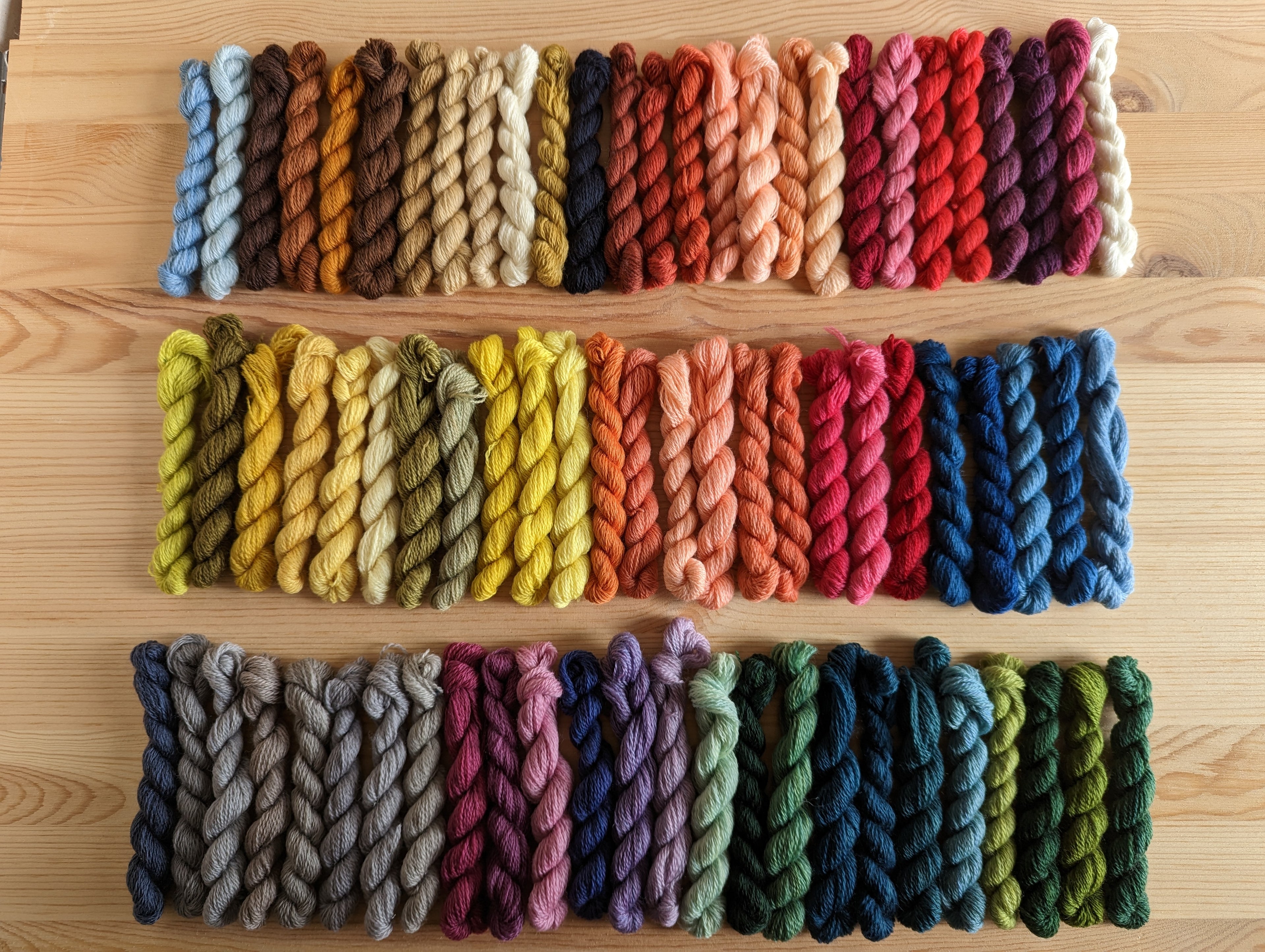
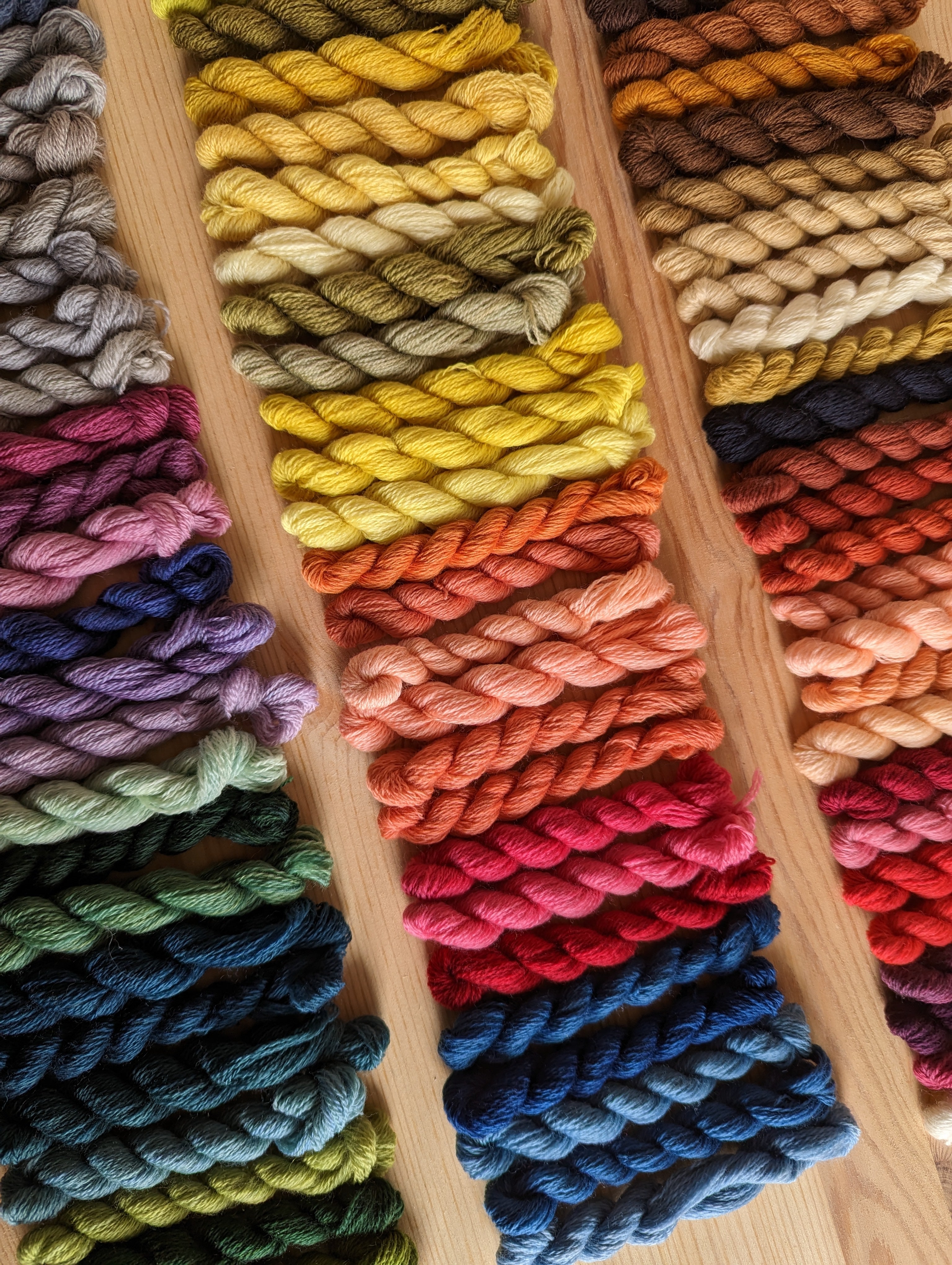
Crewel UltraLaceCe fil à broder, très solide, est une laine d’agneau de très grande qualité peignée et filée dans le nord de l’Italie et teint à la main avec des plantes, ici dans notre atelier de teinture en Isère. Il possède une brillance exceptionnelle pour un fil 100% laine. Il est adapté à tous types de broderies à la main et notamment au reprisage, grâce au traitement superwash qui permet de continuer à passer vos vêtements raccomodés en machine à 30ºC.
-
Poll Dorset
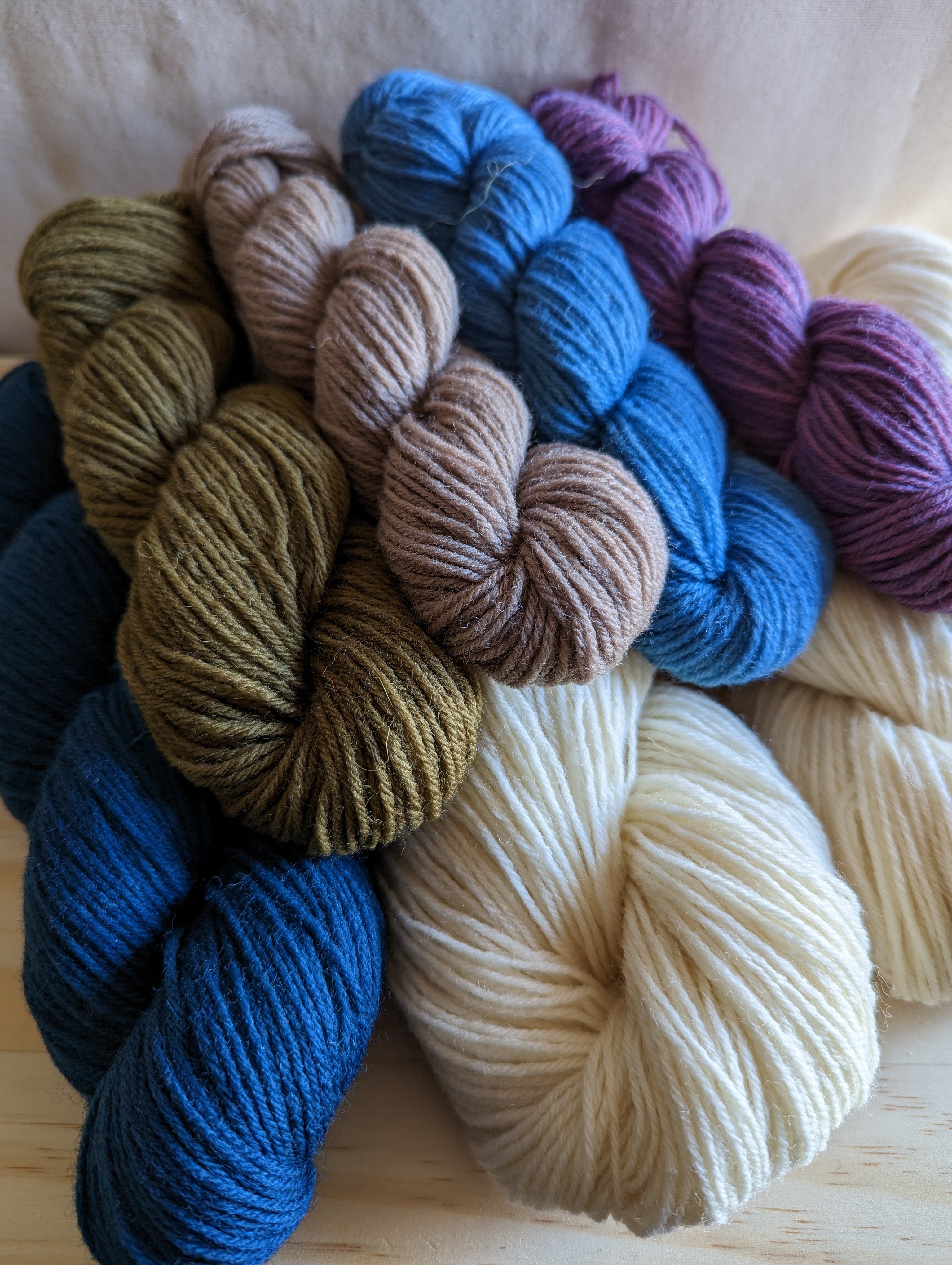
Poll Dorset biologiqueCe fil à tricoter certifié biologique provient de moutons élevés en France, dans le Limousin. Souple, chaud et résistant, ce fil est idéal pour les petits ouvrages tels que chaussettes et les gants mais également pour les projets plus conséquents comme un pull ou un cardigan. Le Poll Dorset est un fil fin d’une belle définition, il est donc parfait pour le tricot jacquard.
-
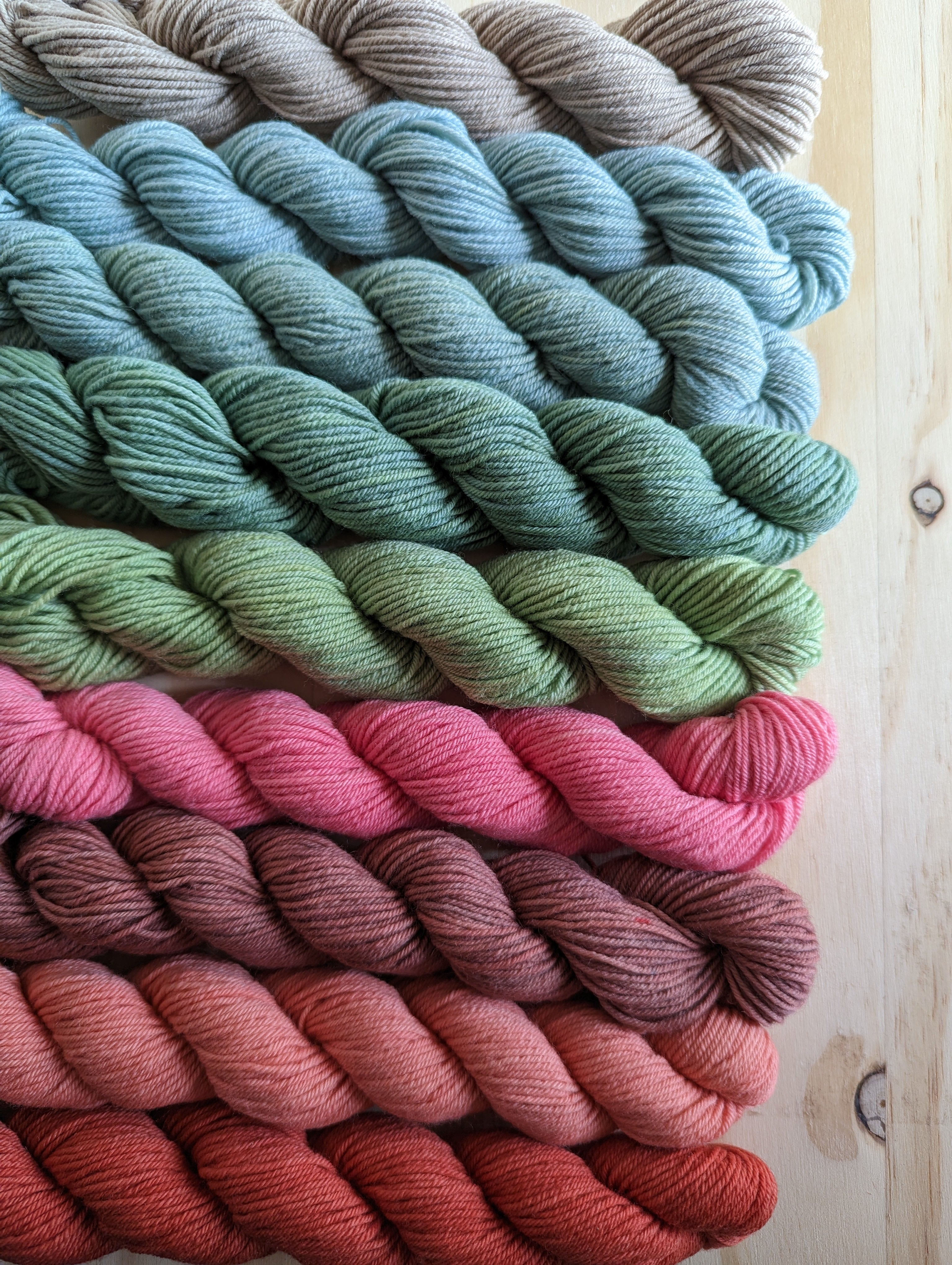
Mérinos d'Arles
Mérinos d'ArlesCe fil à tricoter provient de moutons mérinos d’Arles qui paissent dans les vallées alpines françaises. 100% traçable de par son circuit très court. Doux, brillant et très résistant, ce fil est idéal pour tous types d’ouvrages du châle à la layette, en passant par les pulls et les bonnets. Le Mérinos d’Arles est un fil très régulier qui sera parfait pour les torsades et les points texturés.


